
Insights Monthly | June 2026
AI Is Creating Dependencies Small Businesses May Not See
AI is increasingly showing up inside tools small businesses already use. It may help write messages, summarize information, answer questions, organize records, analyze data, or complete parts of a workflow. But behind those features may be other providers, services, and systems the business cannot easily see. This month, we’re looking at three signals worth paying attention to:



Each month, We look at a few signals that may affect how small businesses think about security, risk, and technology
This Month’s Perspective
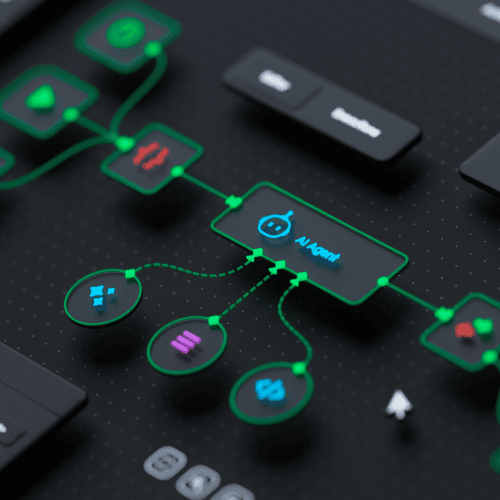
Many small businesses will not adopt AI through one large decision. It is more likely to arrive gradually through email, office software, customer platforms, accounting systems, websites, scheduling tools, security products, and vendor services the business already uses.
That can make AI feel like just another feature. But the feature may depend on a separate AI provider, a connected service, additional data access, or technical infrastructure controlled by someone other than the company that sold the original tool.
The takeaway is not that every AI feature creates a major problem. The better move is to understand which features are becoming important, what they depend on, and what could change if the provider, pricing, availability, or way the feature works changes behind the scenes.
SIGNAL 1

AI Features May Reach More Information Than Expected
An AI feature may need access to messages, documents, customer records, meeting notes, account information, or other business data to provide useful results. In some tools, that access may extend beyond the single item an employee is working with and into connected folders, accounts, applications, or services.
Why It Matters
The business may not always know what information the feature can reach, where that information is processed, or whether another provider is involved. That can create questions about customer information, internal records, employee access, vendor responsibilities, and what the business has agreed to through its settings or service terms.
What To Consider
Choose one AI-enabled tool and look at what information it can access. Pay attention to connected accounts, shared files, customer information, email, meeting records, and any permissions that may have expanded when the AI feature was enabled.
SIGNAL 2

Different Tools May Share The Same Hidden Dependency
Two software products can look completely separate while relying on the same underlying AI provider, cloud platform, model, or supporting service. A business may believe it has several independent tools when some of those tools depend on the same technology underneath.
Why It Matters
A problem with one underlying provider could affect more than one tool at the same time. An outage, policy change, pricing decision, service limit, or technical issue could interrupt several features across different vendors, even when those vendors appear unrelated.
What To Consider
Look at the AI features that have become important to daily work and ask whether they rely on an outside provider. The goal is not to trace every technical connection. It is to notice whether several important tools may share the same point of dependency.
SIGNAL 3
AI Features Can Change Without The Tool Changing
Traditional software changes are often visible through a new version, redesigned screen, or formal update. AI features can change in less obvious ways. The vendor may use a different model, adjust limits, change the feature’s behavior, introduce a new price, or remove access without replacing the main software product.
Why It Matters
A business may gradually build work around an AI feature without treating it as something the business depends on. Employees may use it to prepare customer responses, summarize records, organize information, review documents, or complete routine tasks. If the feature changes, the surrounding work may also change.
What To Consider
Ask whether the business has started relying on an AI feature for regular work. Consider what people would do if the feature became less useful, more expensive, temporarily unavailable, or different from the version they originally learned to use.
What This Means For Small Businesses
The common thread this month is dependency. AI may enter the business as a helpful feature, but over time it can become connected to information, workflows, employees, vendors, and services the business depends on.
For small businesses, this does not mean investigating every model, provider, or technical service behind every application. It means knowing which AI features have become important enough that a change, outage, or loss of access could affect normal work.
The businesses that make progress usually start with simple questions. Where is AI already being used? What information can it reach? Has anyone started depending on it? Does the main tool still work without it? Who would notice if the feature or provider changed?
ONE PRACTICAL MOVE
Trace One AI-Enabled Tool
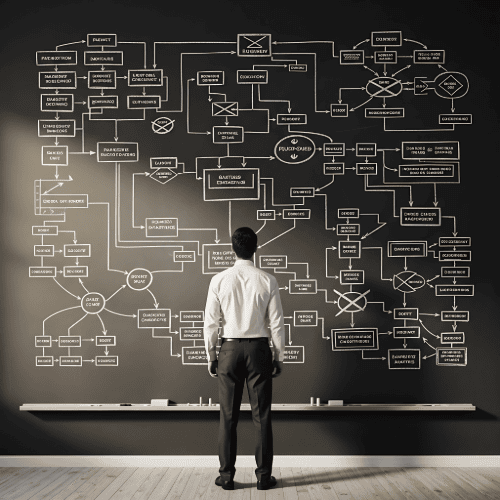
This month, choose one tool your business already uses that now includes an AI feature. Follow that feature far enough to understand what it does, what information it can reach, what the business has started relying on, and what would happen if the feature changed or became unavailable.

Name The Feature
Identify what the AI feature does and how employees currently use it. Be specific about the task, workflow, or result it supports.
Check The Access
Look at the information, accounts, files, records, or connected services the feature can reach while it performs its work.
Find The Dependency
See whether the software vendor provides the AI directly or relies on another provider, platform, or connected service behind the feature.
Test The Workaround
Ask whether the main tool and the related business process would still work if the AI feature became unavailable or changed unexpectedly.
Name The Owner
Decide who should review changes to the feature, permissions, pricing, provider, or terms and determine whether the business needs to respond.
Closing Thought
AI dependencies may not look like traditional technology dependencies because they can arrive quietly inside tools the business already knows and trusts. A feature that begins as optional can gradually become part of how people find information, prepare work, communicate, or complete everyday tasks.
Small businesses do not need to understand every technical layer behind every AI feature. But they should know which features now matter, what information and services those features depend on, and how the business would keep moving if something underneath them changed.

Shawn Skillman
Founder and Principal Advisor
ExaQuent
Want Help Seeing Where AI Is Becoming Part Of Your Business?
AI may already be connected to more tools, information, vendors, and workflows than the business realizes. ExaQuent helps small businesses identify where those dependencies are forming, understand what may deserve a closer look, and decide what practical steps should come next.